Ethan Cohen
2026-05-07
THE ENERGY EFFICIENCY BOOM IN CANNABIS
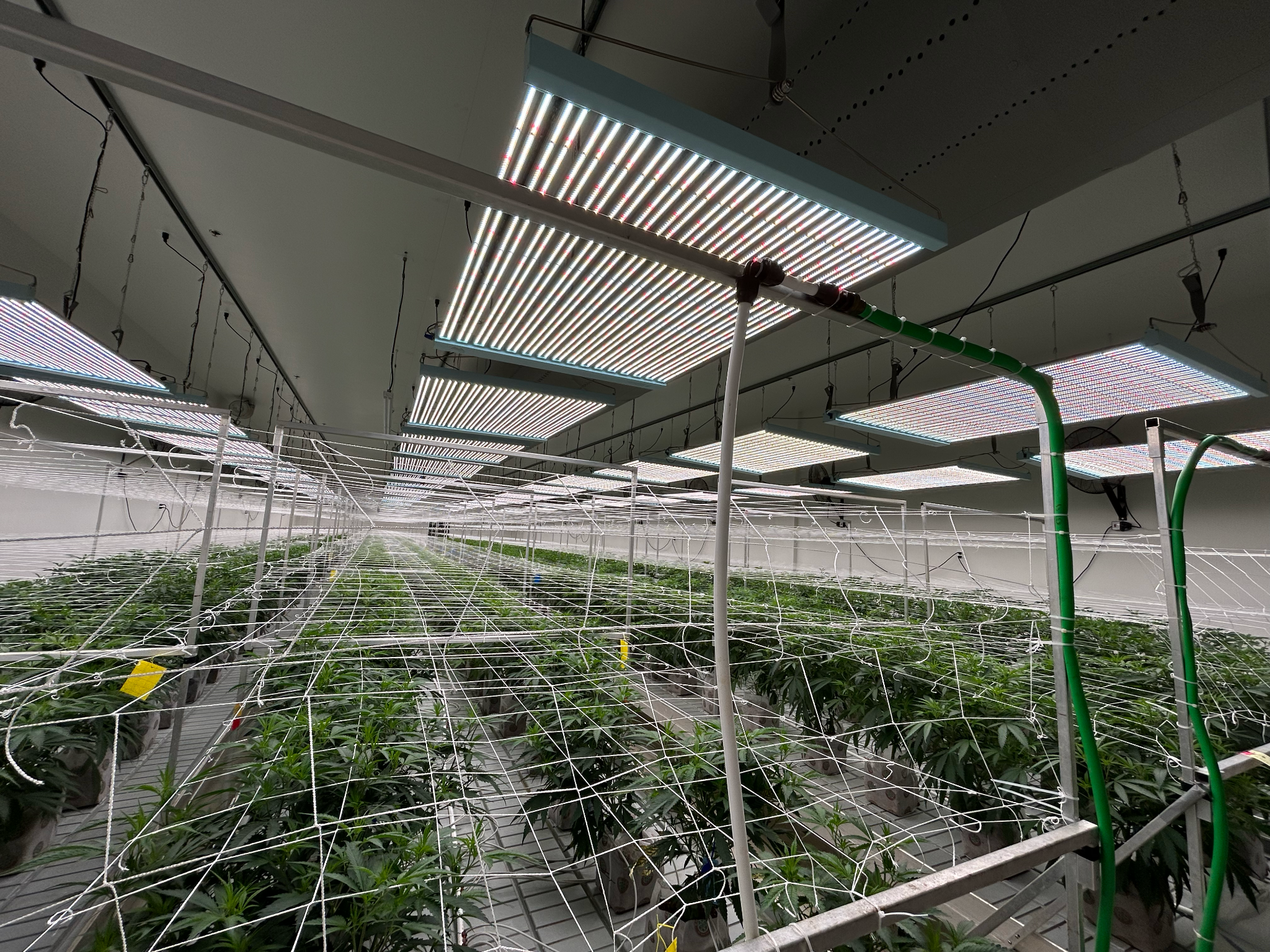
The cannabis industry is going through a massive shift right now, and surprisingly, it’s not being led by celebrity brands, new strains, or the latest infused soda. It’s being driven by something way less flashy but way more important: energy efficiency. Across the country, cultivators are scrambling to modernize their facilities with LED lighting, upgraded HVAC systems, dehumidifiers, and automation tech in an attempt to survive shrinking margins and brutal utility bills. What used to be viewed as a “nice sustainability bonus” has officially become one of the smartest financial moves a grower can make.
It makes perfect sense.
Indoor cannabis cultivation is basically the equivalent of trying to run a small city inside a warehouse. Lights blasting 18 hours a day. Massive HVAC systems fighting heat. Dehumidifiers working overtime because plants sweat more than a kid giving a book report in 7th grade English class. It takes an absurd amount of electricity to keep a grow operating smoothly, especially at scale. In mature markets like California, Oregon, and Colorado, wholesale prices have dropped so dramatically that growers can’t afford to waste money anymore. Every dollar matters now.
That pressure has sparked a full-blown energy efficiency boom in cannabis.
One of the biggest changes has been the rise of LED grow lights. For years, growers swore by HPS lights because that’s what everyone trusted. They ran hot, sucked up power, and made your grow room feel like the surface of the sun, but they produced results. Fast forward to today, and LEDs have completely changed the game. Modern fixtures are producing incredible yields while using dramatically less electricity. Utilities saw the writing on the wall and started rolling out massive rebate programs to incentivize growers to make the switch.
And when I say massive, I mean massive.
Some cultivators are getting hundreds of thousands of dollars back for upgrading their facilities. In certain states, rebates can cover half the cost of new lighting systems, HVAC upgrades, and dehumidification equipment. Suddenly, energy efficiency stopped being some feel-good environmental conversation and started sounding more like free money. Which, in cannabis, tends to get people’s attention pretty quickly.
What’s fascinating is how this has completely shifted the way growers think about their businesses. A few years ago, the focus was almost entirely on genetics, branding, and yield. Now? Efficiency is king. The cultivators surviving this market are the ones figuring out how to produce high-quality flower while keeping operational costs low. The guys still wasting insane amounts of energy every month are getting squeezed hard.
HVAC systems have become a huge part of this conversation too. Cannabis plants create a ridiculous amount of humidity, especially during flower cycles. If your environmental controls aren’t dialed in, you’re basically inviting mold, mildew, and pathogens to destroy months of hard work. Traditional commercial HVAC systems often aren’t built for cannabis, which is why so many growers ended up with inefficient setups that burned through electricity like a Vegas casino burns through bachelor party money.
And in this market, lowering your bills can literally determine whether you stay in business.
The government and utility companies have also started paying way closer attention to cannabis cultivation because, let’s be real, these facilities consume an insane amount of power. Certain states are pushing sustainability initiatives, while utilities are eager to reduce stress on the grid caused by indoor grows. That alignment has created a rare win-win scenario where growers save money, utilities reduce demand, and states move closer to their environmental goals.
What’s even crazier is how strategic rebate planning has become. Some growers are now consulting rebate experts before they even sign a lease because utility territories can drastically impact how much money is available. You could literally move half a mile down the road and qualify for an entirely different incentive structure. There are real situations where cultivators missed out on six-figure rebates simply because they chose the wrong side of the street.
That’s how serious this has become.
The boom has also sparked innovation among equipment manufacturers. Lighting companies, HVAC brands, and dehumidifier manufacturers are all racing to create more efficient products that qualify for utility incentives. A few years ago, equipment marketing was all about “biggest yields.” Now it’s “biggest yields with the lowest kilowatt usage possible.” The conversation has evolved.
Consumers are starting to care too. More cannabis buyers want sustainably grown products, especially in premium markets. A facility running efficient systems and lowering its environmental footprint has become a legitimate branding advantage in an industry where standing out gets harder every year.
The future of cannabis cultivation is probably going to look a lot different than it does today. Automation, AI, smart sensors, and predictive environmental controls are already creeping into the industry. We’re moving toward facilities that can automatically adjust lighting intensity, cooling, airflow, and humidity in real time depending on exactly what the plants need.
Which sounds incredibly high-tech until you remember most growers still have at least one folding chair in the grow room that nobody trusts to sit on.
But that’s what makes this moment so interesting. Cannabis is finally evolving from the Wild West into a real, highly optimized industry. The operators thriving in 2026 aren’t always the ones with the biggest buildings or the loudest marketing. They’re the ones operating smarter than everyone else.
Energy efficiency isn’t some niche side conversation anymore. It’s becoming the backbone of modern cannabis cultivation. And with utility rebates expanding, technology improving, and margins getting tighter by the day, this energy efficiency boom feels less like a trend and more like the future of the industry itself.
Ready to experience the future? Check out our services!
