Ethan Cohen
2026-05-19
Save Rural Michigan
In the early days of Michigan’s cannabis journey, it was the small rural towns that took the leap and agreed to legal marijuana sales. Many of these communities had populations under 10,000, but local officials understood the economic potential of opening their doors to the cannabis industry. And for a while, they were right. Economies improved, jobs poured into town, and residents gained access to medicine that was often cheaper and less addictive than many prescription drugs on the market.
But 2026 tells a different story. Thanks to oversupply and a new 24% state wholesale cannabis tax, industry consolidation feels inevitable. And the most heartbreaking part is that the small towns that first embraced legal cannabis are now the ones suffering the most. The new tax was implemented to help fund road and pothole repairs, but many cannabis operators feel that solving one problem should not create another. In Webberville alone, a marijuana facility closure resulted in 62 lost jobs.
One thing we can all agree on is that when small businesses shut down in rural towns, the impact runs deep. Workers are often forced to commute to neighboring cities just to find employment, which can easily add hundreds of dollars per month in fuel costs. Cannabis patients may also struggle to access their medicine, pushing some back toward the black market or toward more harmful alternatives.
Even before the wholesale tax was introduced, many cannabis businesses were already struggling with oversupply and an unforgiving licensing structure. Given those challenges, adding yet another financial burden feels unnecessarily harsh for growers who are simply trying to survive. It is another example of government policy failing to protect small business owners, especially those dedicated to serving their communities with plant medicine that many believe helps with sleep, anxiety, depression, and overall quality of life without the addictive side effects associated with some pharmaceuticals.
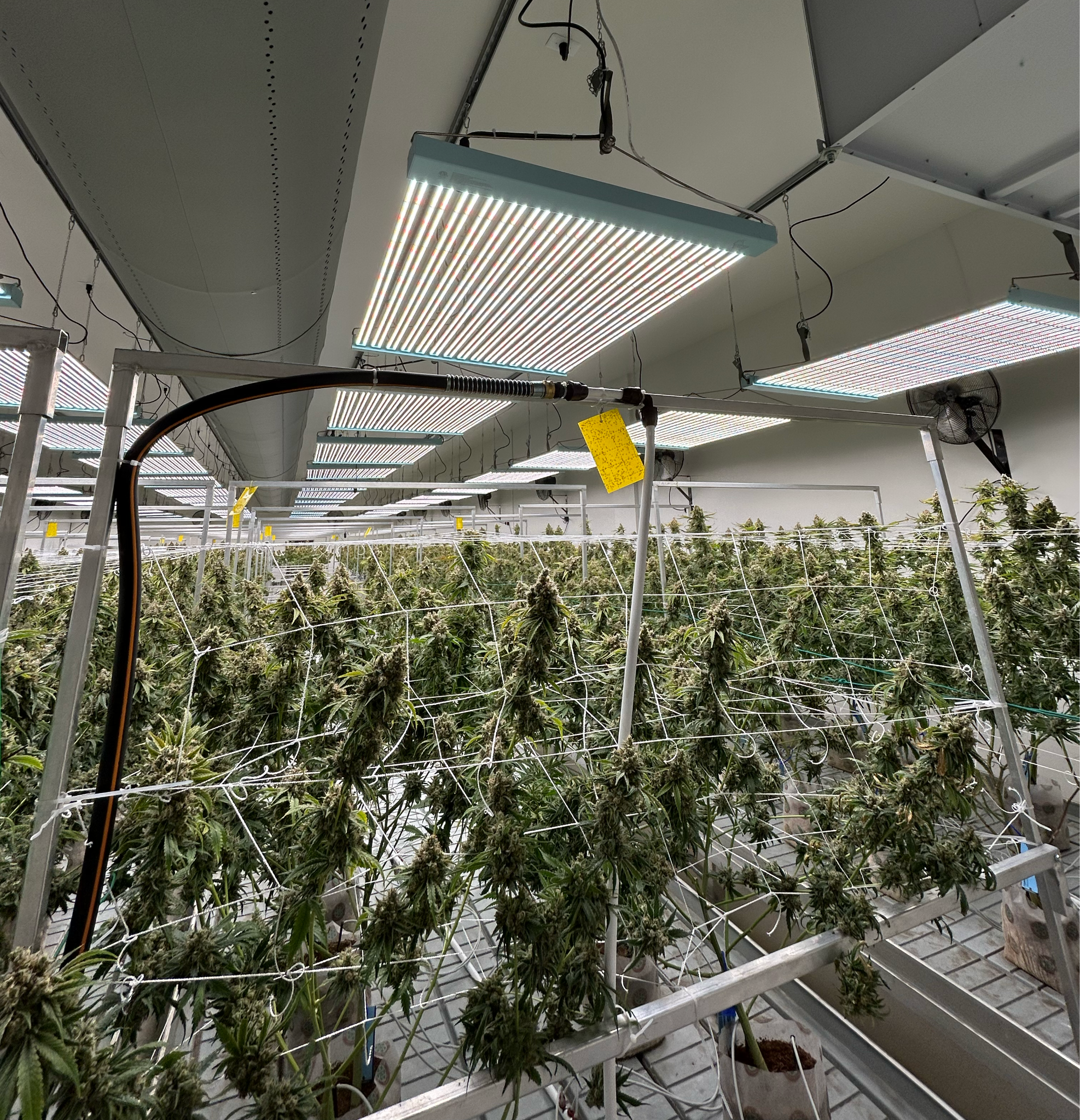
During times like these, it is critical for Michigan cultivators to find every possible opportunity to reduce CapEx costs without sacrificing quality or efficiency. That is exactly where Green Rebates comes in. We help Michigan growers get paid when they build new facilities or retrofit existing ones with energy efficient equipment. Michigan’s rebate programs are currently some of the strongest in the country, and a quick five minute conversation could end up saving, or earning, your business a significant amount of money. Fill out a quick form and let’s see what you qualify for.